





Key Takeaways
Full Costs Matter: Vacancy, repairs, reserves, and management fees all directly impact net cash flow and must be included in every investment analysis, not just rent vs. mortgage comparisons.
Vacancy & Repairs Are Inevitable: Turnover and ongoing maintenance are unavoidable in Richmond rentals, making proactive budgeting and retention key to protecting profitability.
Management Reduces Risk: Professional property management helps prevent costly mistakes through better tenant screening, maintenance coordination, and legal compliance, often saving more than it costs over time.
Owning a rental property in the Richmond area can be a reliable way to build long-term wealth, but only when you have a clear understanding of what it truly costs to operate.
Gross rent is only part of the equation, the real measure of performance is what remains after all expenses are accounted for.
At KRS Holdings, we manage thousands of single-family homes and investment properties across Richmond, Henrico, Chesterfield, Mechanicsville, Glen Allen, and surrounding communities.
One of the most common mistakes we see among investors is underestimating operating costs by focusing only on rent versus mortgage payments. In reality, expenses like vacancy, maintenance, reserves, and management fees have a major impact on actual cash flow.
This guide breaks down the four core operating cost categories every Richmond landlord should understand: vacancy, repairs and maintenance, capital reserves, and property management fees.
1. Vacancy: The Silent Drain on Your Returns
Vacancy is the cost people forget to budget for, until they experience their first empty month. Even a well-maintained property in a desirable neighborhood will sit vacant between tenancies, and those weeks add up fast.
In the Richmond metro area, average days on market for a properly priced single-family rental typically runs between two and four weeks.
Factors that push vacancy higher include overpricing the rent, deferred maintenance that shows poorly, or listing the rental at a slow time of year.
Factors that compress it include professional photography, competitive pricing, and aggressive multi-platform marketing, all things KRS handles on your behalf.
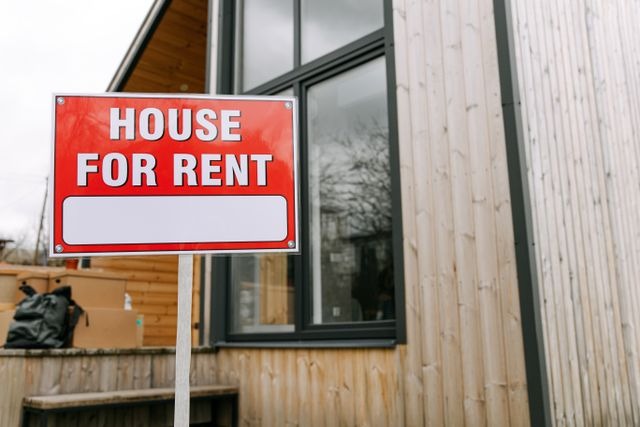
Keeping vacancy low is not just about listing quickly. Tenant retention matters just as much. A resident who renews their lease costs you nothing in rental vacancy. A turnover costs you rent loss, marketing, cleaning, and often minor repairs before the next tenant moves in.
2. Repairs and Maintenance: Budget for the Expected and the Unexpected
No property is maintenance-free. HVAC filters, dripping faucets, appliance repairs, landscaping, gutter cleaning, and minor plumbing issues are simply part of owning real estate.
The question is not whether they will occur, but how much you have set aside when they do. Richmond's climate adds some specific considerations.
Hot, humid summers put HVAC systems under real stress. Older homes may have aging plumbing, original windows, or deferred exterior work that catches up with owners.
Properties in areas like the Fan, Church Hill, or parts of Henrico with older housing stock require a more conservative maintenance reserve than newer construction in Short Pump or Midlothian.
Routine preventive maintenance is almost always cheaper than reactive repair. A $150 HVAC service call in the fall prevents a $1,800 emergency call in August. We coordinate preventive maintenance on a schedule and work with vetted local vendors who provide fair pricing.
3. Capital Reserves: Protecting Yourself from Big-Ticket Surprises
Capital reserves are different from routine maintenance. These are funds set aside for major system replacements, roof, HVAC, water heater, flooring, exterior paint, items with a predictable lifespan that will eventually need full replacement.
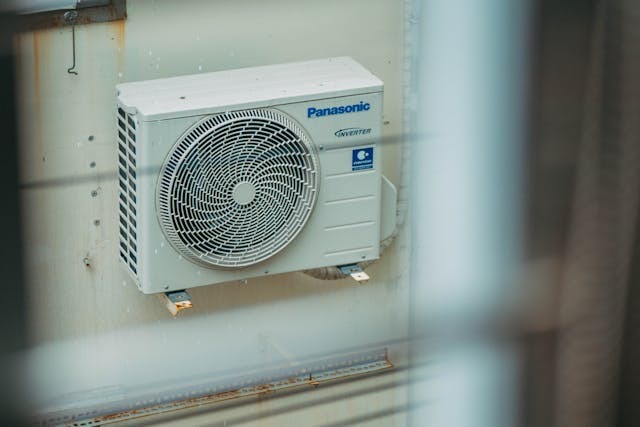
Think of capital reserves as depreciation made real. Your property accountant will depreciate the asset on paper, but capital reserves are the cash version: money you are setting aside now so you are not scrambling when something needs repairing.
HVAC System: 15–20 year lifespan; replacement cost $4,000–$8,000+
Roof: 20–25 year lifespan; replacement cost $8,000–$18,000 depending on size and material
Water Heater: 8–12 year lifespan; replacement cost $800–$1,500
Flooring: 7–15 years for carpet, longer for hardwood; $2,000–$6,000+
Exterior Paint: 5–10 year cycle; $2,000–$5,000 for a single-family home
A conservative approach is to reserve $100 to $200 per month per property specifically for capital expenses. This number scales with the age and condition of the property. A newer build in Glen Allen or Ashland warrants less than a 1940s craftsman in Northside.
4. Property Management Fees: What You Pay and What You Get
If you work with a professional property management company and want to protect both your investment and your time.
Management fees should be viewed as a standard operating expense. The key is understanding what those fees include so you can evaluate value, not just cost.
In the Richmond market, full-service property management typically ranges from 8% to 12% of collected monthly rent, with most reputable providers falling around 8% to 10%.

In addition, some companies charge a leasing or placement fee (often equal to half to one month’s rent when a new tenant is secured), and occasionally renewal or maintenance coordination fees depending on the service model.
Our pricing is fully transparent with no hidden add-ons. The base fee includes:
Marketing vacancies across 30+ rental listing platforms
Comprehensive tenant screening (credit, background, income, and rental history)
Lease preparation and move-in documentation
Rent collection and owner distributions through the owner portal
Maintenance coordination with licensed, vetted vendors
Routine property inspections
Full compliance with Virginia landlord-tenant laws
Eviction coordination when necessary, backed by our Eviction Protection Guarantee
When evaluated properly, management fees are not simply a cost that reduces returns, they are a risk management tool.
The financial impact of a poorly handled tenant issue, prolonged vacancy, or legal misstep can far exceed the cost of professional management over the course of a year.
Bottom Line
The Richmond rental market remains one of Virginia’s strongest for long-term investors.
Steady demand from VCU students, Medical District employees, government workers, and a growing professional population helps maintain healthy occupancy across neighborhoods such as the Fan, Scott’s Addition, Chesterfield, and Short Pump.
That said, strong demand does not eliminate operating costs or investment risk.
Long-term success comes down to preparation, accurately accounting for vacancy, maintaining adequate reserves, budgeting for repairs, and using professional management to protect both performance and property value.
At KRS Holdings, we’ve spent more than a decade helping Richmond-area property owners do exactly that. With thousands of properties under management, our focus is simple: protect your asset, reduce unnecessary costs, and maximize long-term returns.