





Key Takeaways
Compare the potential rent premium from furnishing with furniture, replacement, cleaning, turnover, and insurance-related costs before changing your rental strategy.
Evaluate the property’s location and likely leasing demand to determine whether a furnished rental has a strong enough market to justify the added expense.
For long-term rentals, consider whether leaving the property unfurnished could broaden the pool of prospective residents and simplify turnover between leases.
If you choose to furnish, create a detailed inventory and document the condition of each item at move-in and move-out to help manage the added responsibility.
If you own a rental property in Richmond, you may wonder whether furnishing it will help you earn more rent or simply add extra costs and responsibilities.
The answer depends on your property, location, and the residents you want to attract. A furnished rental may work well for some properties, while an unfurnished home may be the better choice for others.
KRS Holdings helps Richmond property owners evaluate rental strategies based on their property and local market. In this guide, we’ll compare furnished and unfurnished rentals and explain the factors to consider when deciding which option makes the most sense for your investment.
Understanding Furnished and Unfurnished Rentals
A furnished rental typically includes essential furniture such as beds, a sofa, a dining table, and sometimes kitchenware and linens.
This allows residents to move in with minimal belongings. An unfurnished rental generally includes the home and major appliances but leaves furniture and household items to the resident.
There are also options in between, such as partially furnished rentals or properties that include appliances but no furniture. The best choice depends on your property, target residents, and local rental demand.
When to Consider a Furnished Rental in Richmond
Furnished rentals aren’t common across most of the Richmond, VA market, but they can appeal to a specific market.

Residents most likely to seek furnished housing include traveling healthcare professionals on short-term assignments at VCU Health, state government contractors, relocating professionals, and graduate students or visiting faculty near VCU who need housing for a semester or two rather than a full year.
These residents may be willing to pay more for the convenience and flexibility of a furnished home, particularly when they do not want to purchase or move furniture for a short-term stay.
Furnished rentals tend to make the most sense in walkable, amenity-rich areas near downtown, Scott’s Addition, and the VCU medical campus, where demand for flexible housing may be stronger.
Costs to Consider Before Furnishing Your Rental
Furnished rentals come with additional expenses that may not be reflected in the advertised rent:
Furniture wear and replacement: Sofas, mattresses, dining sets, and other furnishings wear out over time. Owners need to budget for repairs and periodic replacement rather than treating furniture as a one-time expense.
More frequent turnover: Furnished rentals often attract residents who need housing for a few months rather than a full year. More frequent turnover can mean additional cleaning, marketing, vacancy periods, and leasing costs.
Move-in and move-out documentation: A detailed inventory of the furnishings should be documented at each turnover to track missing or damaged items and reduce the potential for disputes.
Insurance considerations: Furnishings add value to the property and may affect insurance needs and premiums. Owners should check with their insurance provider to understand how furnishing the rental could affect coverage.
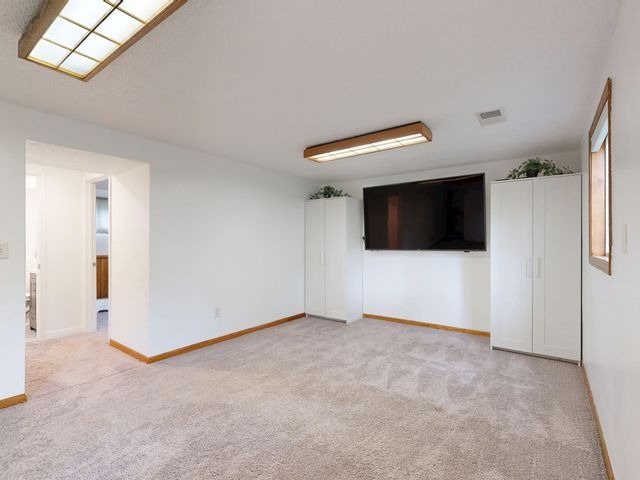
These costs can reduce the financial advantage of a furnished rental. A higher monthly rent does not necessarily translate into higher overall returns once furniture replacement, turnover, rental vacancy, and other operating costs are factored into the equation.
Get Your Free Rental Analysis Today!
Why Unfurnished Rentals Are Often the Better Choice
For most single-family homes and townhomes in Chesterfield, Midlothian, Henrico, Glen Allen, Short Pump, and Mechanicsville, an unfurnished rental is often the stronger long-term strategy.
Families and long-term professionals who already have their own furniture may be more likely to choose a 12- to 24-month lease and renew when the property meets their needs.
Unfurnished rentals can offer several advantages:
A larger pool of potential residents: Prospective residents can bring their own furniture, making the property appealing to a broader range of renters.
Lower turnover costs: Longer leases can reduce the frequency of vacancies, cleaning, marketing, and other turnover expenses.
Less ongoing property maintenance: Owners do not have to repair, clean, or replace furniture between residents.
Simpler move-ins and move-outs: Without a furnished inventory to track, documenting the property's condition can be more straightforward.
For owners who prioritize consistent rental income and fewer day-to-day responsibilities, an unfurnished long-term rental may offer a more predictable strategy for many Richmond-area properties.
The Hybrid Option
Some Richmond owners find a middle ground: list the property unfurnished for a long-term tenant first, and if it hasn't been placed within a few weeks, consider a furnished, shorter-term listing to generate income while continuing to market for a long-term tenant.

Others furnish only the essentials, beds, a sofa, a dining table, and let the tenant supplement the rest, which can widen your applicant pool compared to a fully furnished unit without sacrificing all of the convenience factor.
How KRS Holdings Helps You Decide
Every Richmond rental property is different, which is why the decision to furnish a property should be based on its location, condition, target residents, and investment goals.
KRS Holdings has more than a decade of experience managing rental properties throughout the Richmond area. Our team can help you evaluate whether furnished or unfurnished leasing makes more sense for your specific property.
We provide:
Local market expertise: Experience managing properties throughout Richmond, Henrico, Chesterfield, and surrounding areas.
Resident screening: A thorough screening process designed to help find qualified residents for your rental.
Transparent financial reporting: Clear reporting that helps you understand your rental's income, expenses, and overall performance.
Full-service property management: Responsive management and eviction protection designed to help protect your investment and reduce the day-to-day work of ownership.
Whether you choose a furnished or unfurnished rental, KRS Holdings can help you price, market, lease, and manage your property based on what makes the most sense for your investment goals.
Bottom Line
For most Richmond rental properties, unfurnished leasing offers a simpler and more predictable long-term strategy, but furnished rentals can make sense in the right location and target market.
The best choice depends on your property, expected rental demand, turnover costs, and investment goals. KRS Holdings can help you evaluate the options and choose a rental strategy designed to maximize your property's performance.
Frequently Asked Questions
How Should Owners Calculate The ROI Of Furnishing A Rental?
Estimate the upfront furnishing costs and compare them with potential additional rent, while accounting for replacement, cleaning, turnover, and vacancy expenses.
Also consider whether furnishing could affect lease length or management demands. KRS Holdings offers rental, ROI, and vacancy-loss calculators to help owners evaluate the investment.
What Should Be Included In A Furnished Rental Inventory?
Owners should document all included furnishings and household items, noting each item's condition and using dated photos when possible. Keep the inventory updated as items are replaced or removed, and ensure the lease clearly addresses the included furnishings and related responsibilities.
Does Furnishing A Richmond Rental Change The Lease Strategy?
It can. Furnished rentals may suit shorter or more flexible leases, while unfurnished properties are often marketed for longer terms. The right approach depends on the property, owner goals, demand, and applicable requirements.
Richmond owners should also distinguish furnished residential rentals from short-term rentals, which may have additional local zoning and permitting requirements.
Are There Legal Considerations For Furnished Rentals In Virginia?
Furnishing a rental does not exempt owners from Virginia landlord-tenant requirements. Lease terms should clearly address included furnishings, deposits, charges, and property conditions.
Virginia law generally limits residential security deposits to two months' periodic rent, with certain charges required to be itemized in the written agreement. Because requirements can vary, owners should review current Virginia law or consult qualified legal counsel for specific situations.
How Can Owners Reduce Maintenance Costs In A Furnished Rental?
Owners can control furnishing costs by choosing durable, practical pieces and maintaining an updated inventory. Before furnishing, estimate replacement costs and include them in the operating budget. An unfurnished rental can simplify turnover and reduce the number of items requiring ongoing care.