





Key Takeaways
Set Investment Goals: Establish your target returns, holding period, available capital and desired level of management involvement before evaluating properties.
Verify Financial Performance: Compare rent rolls, leases and collection records, then account for operating expenses, vacancy, turnover and future repairs.
Look Beyond Appearance: Have qualified inspectors evaluate major building systems and investigate potential zoning, permitting and code issues.
Evaluate Rental Demand: Consider nearby employers, universities, transportation, competing rentals and neighborhood conditions when assessing a property's income potential.
Plan for Ongoing Operations: Account for management responsibilities, maintenance, resident communication and compliance when deciding whether a property is a practical investment.
Richmond draws investors for many reasons: a varied housing stock, a steady base of renters, universities, hospitals and government employers, and neighborhoods ranging from historic rowhouses to newer apartment communities.
A small multi-family building can look like an attractive way to put several rental units under one roof. But the purchase price is only the start. A property that looks good in a listing can hide deferred repairs, uncollected rent, unpermitted work or leases that do not match the seller's claims.
This guide from KRS Holdings, covers what to check before buying a multi-family property in the Richmond area.
Want help tracking performance across your rentals?
Request a Free Rental Analysis Today!
Step 1: Define Your Goals and Limits
Start by deciding what you want the investment to accomplish and how much you can afford to risk.
Are you aiming for steady monthly cash flow, long-term appreciation or both?
How much can you commit to the down payment, closing costs and repairs?
What reserves do you have for vacancies and unexpected expenses?
How involved do you want to be in day-to-day management?
How long do you plan to hold the property?
Be realistic about your risk tolerance. A larger building may generate more income, but it also brings more repairs, residents and financial responsibility.
Step 2: Verify the Income and Expenses
Sellers often present income figures that need to be independently verified. Request several years of financial records where possible and compare the documents against the seller's claims.

For income, review:
The current rent roll, including unit rents, lease dates and security deposits.
Copies of leases to confirm the rent roll is accurate.
Bank statements or other records showing actual rent collection.
Vacant units and units occupied by the owner or relatives.
Comparable rental prices for similar units nearby.
Additional income from laundry, parking or other amenities.
For expenses, account for:
Property taxes, which may change after a sale.
Insurance, utilities and common-area costs.
Routine maintenance, repairs and pest control.
Landscaping and seasonal cleanup.
Property management and tenant turnover costs.
Reserves for major systems, including roofing, plumbing and HVAC.
Pay particular attention to expenses the seller may have overlooked especially if they personally handled property maintenance or management. Include these costs in your projections even if you plan to manage the building yourself.
Step 3: Inspect the Building
The property's physical condition will influence your future expenses. Hire qualified inspectors to evaluate more than cosmetic issues.
Pay particular attention to:
The roof, gutters, drainage, foundation and exterior walls.
Plumbing, electrical panels, wiring and unit metering.
Heating and cooling systems, including whether they are shared.
Windows, doors, stairs, railings and common areas.
Signs of moisture, mold, pests or previous fire and flood damage.
Smoke alarms, carbon monoxide detectors and emergency exits.
Older buildings may also require additional checks for lead-based paint or outdated systems. Ask your inspector and attorney which concerns apply to the property.
Step 4: Confirm Legal Status and Local Requirements
Do not assume the property's current use is permitted. Zoning, building codes and rental requirements can vary across Richmond, VA and surrounding jurisdictions.

Before closing:
Confirm the zoning and whether the existing number of units is legally permitted.
Check for open permits, unpermitted additions or unit conversions.
Investigate applicable rental registration, licensing and inspection requirements.
Ask about code violations, citations or pending enforcement actions.
Review resident disputes, required disclosures and leases that will transfer to you.
Local rental requirements and landlord-tenant laws can change. Verify current rules with the appropriate local office and consult a qualified attorney before purchasing.
Considering professional support for your rental properties?
Step 5: Review Financing and Insurance
Speak with lenders about financing options for small multi-family properties and ask how the building and your investment plans affect the terms.
Find out whether the lender requires specific reserves, a minimum down payment or an appraisal supporting the purchase price. You should also obtain landlord and liability insurance quotes before committing.
Review coverage limits and exclusions, and consult a tax professional about rental income, deductible expenses and depreciation. Use written estimates and conservative financial assumptions rather than relying on rough rules of thumb.
Step 6: Study the Neighborhood and Rental Demand
Location influences rental demand, pricing and vacancy. Walk the neighborhood at different times of day and evaluate:
Proximity to employers, universities, public transit, shopping and services.
The condition of nearby properties and signs of neighborhood investment.
Parking, traffic, noise and general street upkeep.
Comparable rental listings and how quickly similar units are leasing.
The property's existing tenancy and potential demand from prospective residents.
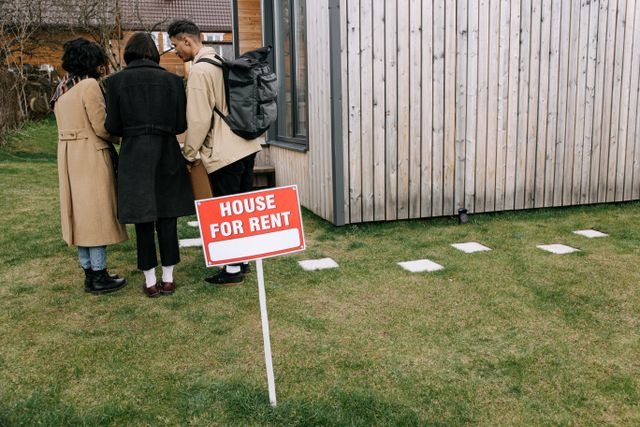
These factors can help you determine whether the asking price and projected rental income are realistic.
Step 7: Plan How You Will Operate the Building
A property that looks profitable on paper can struggle without effective property management. Before closing, decide how you will handle:
Marketing vacant units and screening applicants.
Rent collection and late payments.
Maintenance requests and after-hours emergencies.
Property inspections and capital improvements.
Financial records, accounting and reporting.
Fair housing and landlord-tenant compliance.
Owners who live outside the area or prefer not to manage daily operations may hire a professional property manager. Compare service offerings, fees and agreement terms before making a decision.
Need support managing your rental property investments?
Bottom Line
A successful multi-family purchase starts with careful due diligence. Verify income and expenses, inspect the building, confirm its legal status, review financing and insurance, and develop a realistic operating plan.
Because local requirements, lending terms and tax treatment vary, consult qualified professionals before committing.
If you're considering professional management in the Richmond area, KRS Holdings can help you evaluate rental potential and management needs.
Frequently Asked Questions
What Is A Good Return On A Multi-Family Investment?
There is no single return that makes every multi-family property worthwhile. Investors should compare projected cash flow, cash-on-cash return and potential appreciation against the purchase price, financing costs and ongoing expenses.
Your target should also reflect the property's condition, location and level of risk rather than relying on a general industry benchmark.
Is It Better To Buy An Occupied Or Vacant Multi-Family Property?
An occupied property may provide rental income immediately, but existing leases, rental rates and resident payment histories need careful review.
A vacant property offers more flexibility to establish rents and prepare units for new residents, but it may require additional renovation and marketing costs before generating income. The better option depends on your investment timeline and available reserves.
How Much Cash Should I Keep In Reserve After Buying A Multi-Family Property?
Your reserves should account for mortgage payments, operating expenses, unexpected repairs and periods of vacancy. Older buildings or properties with aging major systems may require larger reserves than recently renovated ones.
Review the property's inspection findings and operating history to estimate potential costs, and avoid committing all available capital to the purchase.
What Should I Compare When Evaluating Two Multi-Family Properties?
Look beyond the purchase price and projected rental income. Compare each property's operating expenses, physical condition, existing leases, neighborhood demand, financing requirements and expected maintenance needs.
A lower-priced building may require substantial repairs or have weaker rental demand, while a more expensive property may offer more predictable operations.
Can I Live In One Unit While Renting Out The Others?
Yes, some investors purchase small multi-family properties as owner-occupants. However, financing options, occupancy requirements, insurance coverage and applicable rental regulations may differ from those for fully investment-owned properties.
Confirm the lender's requirements and understand your responsibilities as both an owner and landlord before purchasing.
When Should I Consider Hiring A Property Manager?
Professional management may make sense when the time required for leasing, rent collection, maintenance and resident communication becomes difficult to handle independently.
It can also be useful for owners managing properties from outside Richmond. Compare management fees with the time and operational responsibilities you would otherwise take on yourself.