



Key Takeaways
Look Beyond the Listing Price: A strong real estate deal isn’t defined by price alone. Financing strength, contingencies, and closing timelines all play a major role in determining how reliable and beneficial an offer truly is.
Use Market Data to Guide Decisions: Reviewing comparable sales and understanding whether you’re in a buyer’s or seller’s market helps you accurately assess property value and avoid overpaying.
Evaluate Long-Term Value: For investors and landlords, a good price should align with future returns. Rental demand, appreciation potential, and property condition all factor into whether a deal supports your financial goals.
Buying or selling real estate is one of the most significant financial decisions you’ll make. In competitive markets, factors like multiple offers, shifting property values, and changing conditions can make it difficult to know if you’re getting a fair deal.
For landlords, investors, and property owners, evaluating an offer involves more than just the price. You also need to consider market data, financing terms, the property’s true value, and the overall structure of the deal.
Below are key strategies from KRS Holdings to help you determine whether a real estate offer is fair, competitive, and aligned with your financial goals.
Understand the Local Real Estate Market
Before evaluating any offer, it’s important to understand the current housing market in your area. Real estate conditions can vary widely based on supply and demand.
In a seller’s market, where inventory is low and demand is high, homes tend to sell quickly, often at or above the asking price. In a buyer’s market, there are more listings available, giving buyers greater negotiating power and flexibility on price.
Knowing which type of market you’re in helps set realistic expectations and makes it easier to judge whether an offer is competitive. It also guides your negotiation strategy and overall decision-making.

Working with an experienced real estate professional can give you valuable insight into local trends, recent sales, and pricing patterns.
Compare Recent Sales to Determine Property Value
One of the most reliable ways to determine whether a property is fairly priced is by reviewing comparable sales, often referred to as “comps.”
Comps are recently sold properties with similar characteristics and they serve as a benchmark for estimating true market value. Looking at these properties helps you move beyond opinions and base your decision on real data.
When reviewing comps, focus on key factors like:
Location and overall neighborhood appeal
Property size, layout, and usable space
Age and current condition of the home
Upgrades, renovations, or unique features
Lot size and exterior characteristics
If an offer closely aligns with recent comparable sales, it’s a strong indicator that the price is accurate and reflects current market conditions. If it falls significantly above or below those benchmarks, it may be worth taking a closer look, or negotiating further.
Consider More Than Just the Price
While the purchase price is important, it’s only one piece of the puzzle. A strong real estate offer is defined not just by how much is being offered, but by how likely the deal is to successfully close.
In many cases, the structure of the offer can carry as much weight as the price itself. For example, a slightly lower offer with solid financing and minimal contingencies may be more appealing than a higher offer that comes with uncertainty or delays.

When reviewing an offer, pay close attention to:
Financing strength and mortgage approval
Contingencies, such as inspections, appraisals, or financing conditions
Closing timeline and how it aligns with your needs
Down payment amount, which can signal buyer commitment
Cash vs. financed offers, with cash typically offering fewer risks
By evaluating the full structure of the offer you can better assess its reliability, minimize potential complications, and increase the chances of a smooth, successful transaction.
Use Professional Appraisals
A professional appraisal is another important tool for determining whether a property is fairly priced. Appraisals are conducted by licensed professionals who analyze the property and compare it with similar homes in the market to estimate its value.
Lenders often require an appraisal during the mortgage process to confirm that the property’s value supports the loan amount. If the appraisal comes in below the agreed purchase price, the buyer may need to renegotiate or provide additional funds to move forward with the purchase.
For real estate investors, an appraisal provides an independent perspective that can help confirm whether a property is priced appropriately.
Analyze the Property’s Condition
The condition of the property can significantly influence its value. Two homes in the same neighborhood may have very different prices depending on their maintenance history, renovations, and structural condition.
Investors should carefully review inspection reports and assess potential repair costs before accepting or making an offer. Some key areas to evaluate include:
Roof and structural integrity
Plumbing and electrical systems
Heating and cooling systems
Foundation and exterior condition
Age of major components
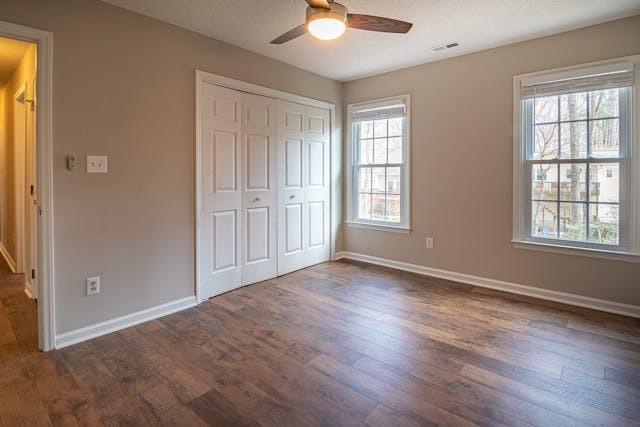
A property that requires extensive repairs may justify a lower offer, while a well-maintained property may support a higher price.
Understand Investment Potential
For investors, determining a fair price also involves evaluating the property’s long-term potential. Factors to consider include:
Rental demand in the area
Future property appreciation
Potential renovation opportunities
Expected operating costs and maintenance
Analyzing these elements helps investors determine whether the purchase price aligns with their expected return on investment. A property that appears expensive initially may still be a strong investment if it offers solid rental income or long-term appreciation potential.
Don’t Be Afraid to Negotiate
Negotiation is a normal part of the real estate process. Buyers and sellers often go through several rounds of offers and counteroffers before reaching an agreement.
In competitive markets, sellers may even request “best and final” offers from interested buyers, encouraging them to strengthen their terms.
Effective negotiation focuses on balancing price with favorable terms for both parties. Being flexible on timing, contingencies, or closing conditions can sometimes help secure a better overall deal.
Bottom Line
A good real estate offer isn’t just about the highest price, it’s about the overall value and likelihood of a smooth, successful closing.
By comparing recent sales, reviewing the full structure of the offer, and understanding current market conditions, you can confidently determine whether a deal truly meets your financial goals.
Whether you’re buying, selling, or investing, taking a strategic, well-informed approach helps protect your investment and ensures you make the most of every opportunity.
KRS Holdings helps property owners and investors make smarter real estate decisions with professional, full-service support. From tenant placement and rental marketing to maintenance coordination and ongoing guidance, our team is here to help you maximize your property’s value at every stage.