


WHAT’S OIL GOT TO DO WITH YOUR RENTAL PROPERTY?
More Than You May Think!
When oil prices move, we first see it at the gas pump. But for residential landlords and investors, the negative impact is less visible and more intense as it directly affects:
- Maintenance Costs
- Material Pricing
- Operating Expenses
- Cash Flow
- Long-term Asset Value
Recent Developments … Immediate & Longer-Term Effects for Landlords
Yes … the highly visible effect of skyrocketing oil prices is when you pull your vehicle up to the pump. On February 28, 2026, the onset of war with Iran, the average price for a gallon of regular gasoline in Virginia was approximately $2.81. Since then, driven by disruptions to oil shipping routes, prices have surged well North of $4.00 per gallon as of this writing.
The driver … oil prices have surged by approximately 50% to 60% since the U.S.-Israel strikes on Iran began, with key benchmarks crossing the $100-$110 per barrel range by early April … a sharp increase from pre-war levels in the $70 range.
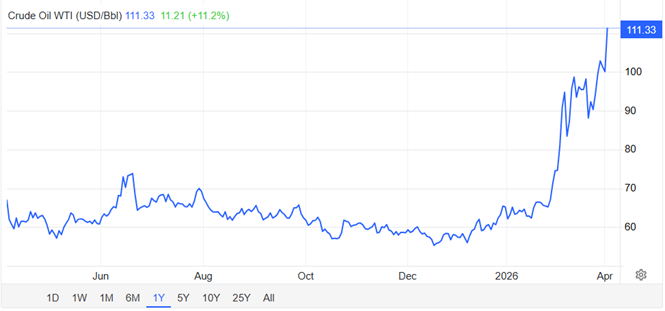
Oil Prices, Hidden Costs & Long-Term Impact on Residential Rental Property Owners
Oil is a foundational component in many materials and
processes that drive long-term residential real estate costs.
Clearly, increases in oil prices will be reflected in your, and my, energy overhead. Additionally, we can anticipate long-term increases in the cost of maintaining and operating our rental properties. Some prime examples:
- Transportation is a critical multiplier. Fuel costs influence the manufacturing, shipping, delivery and installation of building materials and other maintenance necessities.
- Asphalt … a key element in roofing materials, parking lots and roadways are petroleum-based. A spike in oil prices is reflected in noticeable price increases of asphalt-based products.
- Less visibly, but nevertheless a key ingredient, oil is also present in materials such as PVC piping, vinyl siding, insulation, flooring adhesives, and paints. Suppliers will adjust pricing to reflect higher expenses.
When and How Will Oil Prices Decrease? How Long the Price Spike Siege Will Last?
The operative events will be the end to hostilities in Iran and the full reopening of the Strait of Hormuz. Timing of these happenings are a matter of speculation that we won’t deal with here.
Reopening the Strait and ending the Iran war would remove a major supply-risk price spike as flows of oil is restored. That will trigger prices to fall … the question is how much and how fast. Much depends on the volume of crude that returns to the market and how producers respond. Here are timing projections by analysts that anticipate how oil prices are likely to fall … quickly at first, then stabilizing.
- Immediate (days–weeks): A rapid partial drop as risk premium unwinds coupled with a release of stored inventory.
- Short term (1–3 months): Prices adjust to higher physical flows; inventories begin to normalize. The bulk of the downward adjustment usually occurs in this window.
- Medium term (3–12 months): Prices settle to a new equilibrium determined by actual supply changes, demand recovery/weakness, and producer policy (OPEC+). If producers offset the extra flows by reducing output, the price decline will be limited.
Residential Landlords & Investors – What to Do?
Regardless of the timing, all the above will financially impact our budgeting, rent strategy and net returns.
Three critically important proactive property management best practices:
- As oil prices rise and then fall, material and labor costs typically do not fully reset to previous lower levels. Instead, they establish a new baseline for future bumps in pricing and landlord expenses.
- Additionally, housing costs rarely jump all at once. They do move gradually and often imperceptibly. We must remain alert to avoid the difficulty of recovering expenses after-the-fact. That means a disciplined alignment of rents to offset rising expenses.
- Postpone major maintenance and repairs that reflect pricing based on oil-based materials until the market for crude is stabilized.
Understanding the dynamics of the events that will govern oil prices fosters better decision-making and helps ensure that your and my properties remain financially healthy over the long term. Join me in following current events as they unfold. Failure to do so risks compressed cash flow, increased capital expenditure and reduced long-term profitability.
Whether you’re managing one property or a growing portfolio, staying ahead of cost trends is critical. We’re here to support you in evaluating your property performance, managing expenses, optimizing returns … and deliver proven successful property management.
Give us a call or drop an email. We’ll respond promptly to help you make informed,
confident decisions … plus maximize your rental property return on investment.