






Key Takeaways
Review each Hampton Roads rental’s flood exposure, insurance coverage, and property condition well before hurricane season begins.
Complete gutter, drainage, roof, tree, and outdoor-item inspections in April and May so necessary repairs are not left until a storm is approaching.
Create a clear communication and emergency-response plan so tenants know how to report storm damage and property issues.
If you own a rental property anywhere in Hampton Roads, you understand that hurricane season is a standing part of owning coastal Virginia real estate.
Between storm surge off the Chesapeake Bay, the nor'easters that roll through in the off-season, and a water table that leaves many neighborhoods prone to flooding even on an ordinary heavy-rain day, the owners who come through storm season with the least damage are almost always the ones who had a plan in place before the first storm ever formed.
The good news is that hurricane readiness for a rental property is not complicated. The list of things to check, document, and communicate is a short one, but one that should be done early, and done every year. Here is the practical version from the team at KRS Holdings.
Why Hampton Roads Owners Can't Treat This as Optional
Virginia's hurricane season runs from June 1 through November 30, with the busiest stretch typically falling between August and October.
Hampton Roads sits at the southern edge of the Chesapeake Bay, where the region's low elevation and flat terrain allow storm surge to push inland with real force — Hurricane Isabel in 2003 is still the benchmark local owners measure against, having driven a seven-foot surge into downtown Norfolk and knocked out power across the region for weeks.
Hurricanes are not the only threat, either. Nor'easters can produce hurricane-force wind gusts and coastal flooding that lingers for two to three days at a stretch, and repeated tidal flooding during one of these storms can add up to more cumulative damage than a faster-moving hurricane.
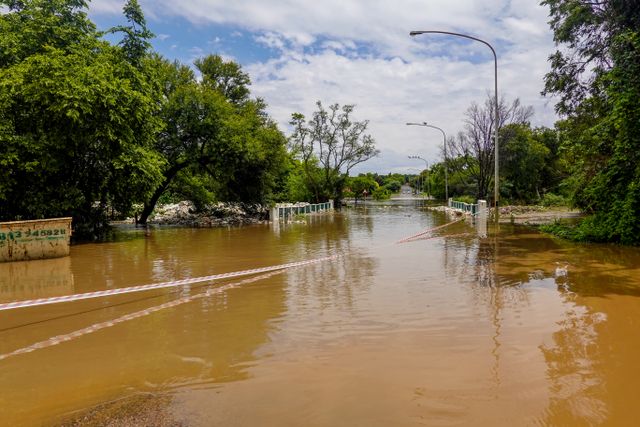
For a rental property, that combination of surge, wind, and standing water is exactly what turns a manageable repair into a major claim, or a habitability issue for tenants living in the home.
A Practical Hurricane-Readiness Plan
1. Know Your Property's Flood Zone
Not every flood-prone address in Hampton Roads sits inside a mapped high-risk zone, and not every property outside one is actually safe from water damage.
Pull the current FEMA flood zone designation for each rental you own — Zone X, AE, and VE carry very different flood insurance and elevation implications — and keep that information on file alongside the property's insurance policy.
If a property sits in an AE or VE zone, an elevation certificate is worth requesting if you do not already have one, since it directly affects insurance pricing.
2. Close the Gaps in Your Insurance Coverage
Standard landlord and homeowners policies do not cover flood damage — that requires a separate flood insurance policy, even for properties outside the highest-risk zones.
Wind and hurricane deductibles in coastal Virginia are often meaningfully higher than a standard deductible, so it is worth confirming the actual out-of-pocket exposure on each policy, not just the premium.
Coverage for dwelling, liability, and loss of rent should all be reviewed annually, since rebuild costs and property values shift from year to year.
The Virginia Residential Landlord and Tenant Act places the responsibility for safe, livable housing squarely on the owner, and adequate insurance is part of how that responsibility gets backed up in practice.

Reviewing coverage before hurricane season starts rather than after a storm has already passed through gives you time to close gaps instead of discovering them during a claim.
3. Handle the Property-Level Prep Early
Before storm season, make sure your property is prepared to handle heavy rain and high winds. Clean the gutters and downspouts and confirm they are directing water away from the foundation.
Check that yard drainage is clear and functioning properly, particularly at properties with a history of standing water. It is also important to inspect the roof for loose or missing shingles and complete any necessary repairs before storms arrive.
Get Your Free Rental Analysis Today!
Take a close look at trees and landscaping as well. Trim or remove dead limbs and trees that are close enough to the roofline or power lines to create a hazard during high winds. Outdoor furniture, grills, and other loose items should also be secured or stored so they do not become wind-borne debris.
In Hampton Roads, the most important preparation work typically takes place in April and May, well ahead of the June 1 start of hurricane season. Waiting until a storm is already in the forecast can mean competing with other property owners throughout the region for contractor availability.
4. Document Property Condition Before the Season Starts
Walk each property and photograph or video the roof, siding, fencing, and any existing wear before hurricane season begins.

This baseline record makes a huge difference if you ever need to file an insurance claim after a storm, since it clearly separates pre-existing conditions from new storm damage — and it tends to make the claims process considerably faster.
5. Put a Tenant Communication Plan in Place
Your tenants need to know, before a storm is bearing down, what is expected of them and what they can expect from you: how to report damage, who to contact for emergency maintenance, and whether the property is in an evacuation zone.
A property manager can handle this communication consistently across your whole portfolio, which matters when a fast-moving storm does not leave much lead time.
It is also worth encouraging tenants to carry renters insurance, which the Virginia Residential Landlord and Tenant Act permits owners to require, and reminding them that their personal belongings generally are not covered under the property owner's policy.
6. Have a Post-Storm Response Plan Ready to Go
The period right after a storm passes is when fast action protects both your property and your tenants. A local property management partner can get eyes on a property quickly, coordinate emergency repairs, and start the insurance claims process immediately rather than days later.
That speed is often the difference between a contained repair and a much larger, more expensive one — particularly with standing water involved.
Bottom Line
Hurricane readiness is not a one-time task — it is a seasonal routine, and it is far easier to manage across a portfolio of rentals when you have a local team handling the details: flood zone tracking, insurance review, seasonal maintenance, tenant communication, and rapid post-storm response, all in one place.
KRS Holdings has specialized in Hampton Roads property management since 1990, and our guiding principle has always been the same: maximize the value of your residential asset while minimizing the time it takes from you. Storm season is exactly the kind of moment that principle is built for.
Frequently Asked Questions About Hurricane Readiness for Hampton Roads Rental Properties
When Should Hampton Roads Landlords Start Preparing Rental Properties For Hurricane Season?
The best time to begin hurricane preparation is before the season starts on June 1. For Hampton Roads rental owners, April and May are practical months to review insurance coverage, inspect roofs and drainage, address tree hazards, clean gutters, and document property conditions.
Starting early also provides more time to arrange repairs or maintenance if problems are discovered. Owners with multiple rentals may benefit from creating a recurring seasonal preparation process so each property receives the same level of attention before severe weather becomes an immediate concern.
Does Flood Insurance Cover Every Hampton Roads Rental Property?
Flood insurance is separate from standard homeowners or landlord coverage and may be important even when a property is not located in the highest-risk flood zone. FEMA flood maps can help owners understand a property's mapped flood risk, but flood exposure can vary significantly by location and circumstances.
Owners should review their specific policies with an insurance professional to determine what is covered, what exclusions apply, and what deductibles they may face. Insurance requirements and coverage options can also differ by property and lender.
What Property Maintenance Should Owners Prioritize Before A Hurricane?
Owners should focus on conditions that could allow wind or water to cause avoidable damage. Gutters and downspouts should be clear and direct water away from the foundation, while roof damage should be identified and repaired before severe weather arrives.
Trees and dead limbs near structures or utility lines may also warrant attention. Outdoor furniture and other loose objects should be secured or stored. Drainage deserves particular attention in low-lying Hampton Roads areas where heavy rainfall can create additional flooding concerns.
What Should A Landlord Include In A Hurricane Communication Plan?
A hurricane communication plan should establish how property-related emergencies will be reported and who is responsible for responding. Owners should make sure tenants know the appropriate contact method for urgent property damage and understand any property-specific procedures that apply during severe weather.
Owners should also know whether their properties are located in evacuation areas and where to find official emergency information. A written process can be especially useful for owners with multiple rentals because it creates a consistent approach to storm-related communication and follow-up.
How Can Property Management Help With Hurricane Preparation?
For owners who do not live near their Hampton Roads rentals or manage multiple properties, professional management can provide local coordination before and after severe weather. KRS Holdings’ services include maintenance coordination, tenant communication, and ongoing property oversight.
During storm preparation, that support can help owners organize property-level maintenance and documentation. After a storm, local management can also help coordinate access, assess reported issues, and arrange appropriate repairs. The specific response depends on the property, storm conditions, and services included in the management agreement.