




Key Takeaways
Seasonal maintenance is essential for Tidewater rental properties because high humidity, coastal air, and frequent rain create ideal conditions for mold growth if moisture is not actively managed.
Preventive maintenance costs far less than mold remediation and lost rental income. Well-maintained, moisture-controlled homes stay more comfortable, retain their value longer, and attract reliable tenants.
Owning rental property in the Tidewater region has many advantages. The coastal lifestyle, military and university presence, and strong rental demand make this area a great place for investments.
But the same environment that attracts tenants also creates challenges landlords must address to protect their properties. One of the biggest long-term risks in coastal rentals is mold and moisture damage. Unlike in drier climates, mold can grow quickly here if moisture problems are not prevented.
Coastal homes have special exposure to moisture because of sea breezes, humidity, and seasonal storms. Water doesn’t have to be visible to create problems; mold often begins where moisture sits unseen. Landlords must pay attention to moisture control if they want to keep their properties in top condition and avoid costly repairs.
The good news is that prevention is much less expensive than remediation, and a few simple maintenance routines can make a big difference.That’s why KRS Holdings has put together this article to explain what Tidewater landlords should watch out for and what to do to prevent property damage.
Seasonal Tips to Prevent Mold and Moisture in Tidewater Properties
Spring: Clean, Inspect, and Prepare
Spring is one of the most important seasons for coastal mold prevention. After a long winter, many moisture issues begin to show themselves.
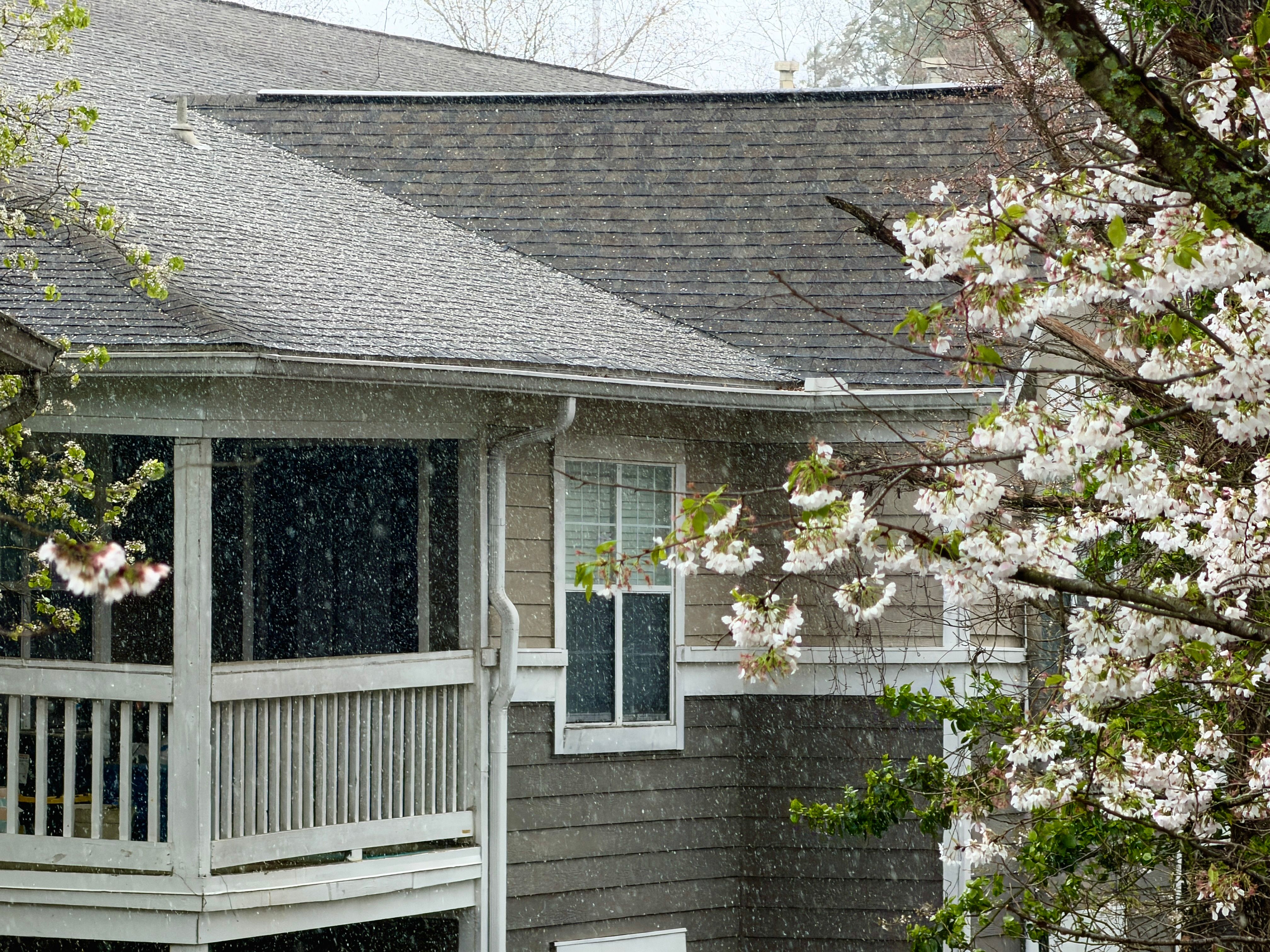
The first step in spring is to inspect the roof and gutters. Winter storms can loosen shingles, break seals, and leave debris that blocks water flow. If leaves and sticks remain in gutters, rainwater can overflow and seep into fascia, siding, or roof edges. This can create hidden leaks that lead to mold in attics and upper walls.
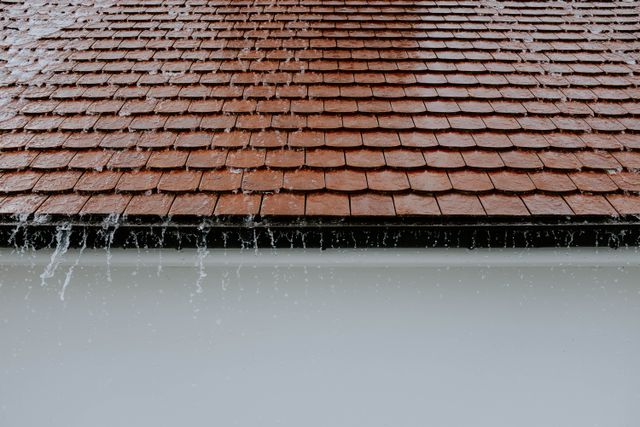
Once gutters are cleared and the roof is inspected, landlords should focus on ventilation systems. Bathroom and kitchen exhaust fans are essential for reducing indoor moisture.
In many coastal homes, these fans have venting systems that must be checked each spring to make sure they are venting to the outside and not simply blowing moist air into attics or crawl spaces. Improper ventilation can trap moisture where it can do the most harm.
Spring is also a good time to check concrete pads, walkways, and any exterior drainage systems. Water that pools near the foundation or does not flow away from the home can create rising dampness in lower levels. If pooling is found, adjustments to landscaping or grading should be made before the summer humidity sets in.
Summer: Manage Heat and Humidity
Summers in Tidewater are hot and muggy, which means moisture control must be a priority inside the home as well as outside. Before temperatures hit their peak, landlords should schedule maintenance on HVAC systems. A clean, well-serviced system will remove moisture more effectively, reducing the chance that condensation forms on walls and windows.
Humidity control is especially important in areas where moisture is often trapped, such as basements, laundry rooms, and bathrooms without windows. Tenants should be encouraged to use exhaust fans when showering or cooking, and landlords can install dehumidifiers in particularly damp areas.
Even small amounts of persistent moisture can lead to mold growth on baseboards, behind appliances, or in closet spaces.

Outdoor landscaping also plays a role in summer moisture control. Overgrown bushes and shrubs can block airflow around foundation walls, allowing damp air to remain in contact with building materials. Trimming vegetation and ensuring proper airflow around the home helps reduce the moisture that builds up near the exterior.
Fall: Prepare for Cooler Weather
As temperatures begin to cool, landlords should switch their focus from cooling to preparing for winter moisture risks.
Fall is the time of year to inspect and seal cracks in siding, around windows, and in foundations. Gaps that go unnoticed in summer can let cold air and wind-driven moisture behind cladding during rainy fall weather. A good seal around the home’s exterior keeps moisture out and improves energy efficiency.
Fall is also the time to clean gutters again. Leaves and debris can accumulate quickly in Tidewater’s leafy neighborhoods, and blocked gutters during a heavy rainstorm can direct water toward the foundation or under siding.
Cleaning out all drainage paths before winter reduces pressure on foundation walls and prevents water from entering crawl spaces where mold thrives.
Safety devices such as smoke detectors and carbon monoxide detectors should also be checked in the fall. While not directly related to moisture, these systems become more important as heating systems begin running more frequently.
A functioning heating system prevents uneven temperatures that can lead to condensation and damp spots on interior surfaces.
Winter: Protect Pipes and Heating Systems
Even though Virginia’s coastal region doesn’t experience the deep freezes of northern states, occasional cold snaps still pose moisture risks. When outdoor temperatures dip, warm indoor air can condense on cooler surfaces, creating invisible moisture pockets. This is especially true in areas where insulation is lacking or uneven.
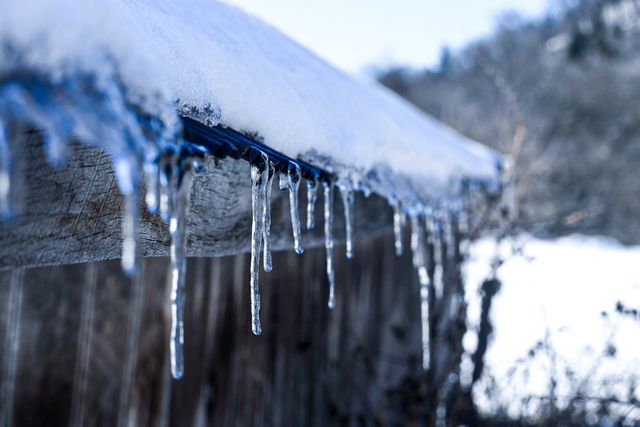
One way to reduce winter moisture risk is proper insulation and pipe protection. Exposed pipes in basements, crawl spaces, or exterior walls should have insulation sleeves to reduce the chance of freezing. When pipes freeze and thaw, they can leak or burst, leading to hidden mold growth behind walls or under floors.
Heating system maintenance is equally important. A heating system that runs efficiently will help maintain balanced indoor temperatures, reducing the likelihood of condensation. Landlords should schedule furnace inspections before the coldest weather arrives to make sure systems are free of debris and functioning properly.
Any strange noises, uneven heat distribution, or reduced airflow reported by tenants should be addressed quickly to avoid conditions that could trap moisture inside ductwork or wall cavities.
Walkways, porches, and exterior steps should also be checked during late fall or early winter. Moisture left on surfaces during cooler months can turn to ice, creating slip hazards for tenants and increasing liability for landlords. Removing standing water and ensuring good drainage helps keep tenants safe and minimizes flood risk near the home’s foundation.
Why Preventive Maintenance Saves Money
Many landlords view mold and moisture prevention as optional until a problem arises, but this approach often leads to higher costs in the long run.
Mold remediation after the fact requires specialized cleaning, possible material replacement, and can lead to lost rental income if the home must be temporarily vacated. Preventive maintenance, on the other hand, focuses on identifying and stopping problems before they start.

Routine property inspections create an early warning system for landlords, especially if they are self-managing or own multiple properties. Catching a small roof leak or blocked gutter in spring means addressing the issue before it becomes a mold infestation in summer.
Similarly, testing HVAC equipment before heavy use reduces repair costs and extends the life of the system.
Moisture issues rarely fix themselves, and ignoring small signs only invites bigger problems. A property prepared for seasonal changes is more comfortable for tenants, demands fewer emergency repairs, and maintains its value longer.
Bottom Line
In coastal environments like Tidewater, where humidity is high and rain is frequent, preventative maintenance is one of the best strategies landlords have to protect their investment.
By staying diligent with seasonal checks, focusing on ventilation and drainage, and involving professionals when needed, property owners can reduce risk, lower repair costs, and keep tenants satisfied.
A home that stays dry stays valuable. For Tidewater landlords, that’s a key part of long-term success. Contact KRS Holdings today to learn more about how we can help you make the most of your rental property.